“National Foster Care Month (NFCM) in May is an important opportunity to spread the word about the needs of the more than 391,000 children and young people in foster care. This year's NFCM theme—"Engaging Youth. Building Supports. Strengthening Opportunities."—shines a light on how we can best support young people and help them successfully transition to adulthood. This theme mirrors one of the Children's Bureau's priorities: ensuring young people leave care with strengthened relationships, holistic support, and opportunities.” (ChildWellfare)
“This month also helps to recognize the contributions of foster parents, social workers, and other individuals and organizations that support children and youth in foster care. Nearly 20,000 young people transition out of foster care… [and] giving young people the resources they need to succeed as adults begins during their time in care. We must use that time to engage young people in case planning, help them build and nurture important relationships, and gain equitable access to the opportunities that all young people deserve.” (ChildWellfare)
Wildfire Awareness Month
Wildfire Awareness Month sheds light on the devastating impacts of wildfires and provides resources for wildfire preparedness. In an era where climate change is worsening worldwide wildfires, educating people on readiness is more important than ever.
Human activities often cause wildfires, but simple precautions can significantly reduce the risk. To keep fires safe, clear debris from your fire site, never leave a fire unattended and ensure it's completely extinguished with water. Avoid burning on windy days, and steer clear of highly combustible materials like oil-soaked items.
When handling fireworks, have a bucket of water or hose nearby, wet the ground around your site, and douse used fireworks to ensure they're fully extinguished. Avoid parking on dry grass for cars and equipment and prevent motor oil or gasoline spills. Ensure equipment used in wooded areas has spark arrestors to avoid igniting fires.
Preparation is key to staying safe during wildfire season. Make an emergency plan that includes evacuation routes and accounts for all family members, including pets. Strengthen your home by keeping flammable debris at least 30 feet away and using fire-resistant materials. Stay updated with local alerts through the FEMA app or community notifications. Lastly, create a wildfire emergency kit with essentials like medications, water, and N95 masks, and keep it in your car for quick access. Following these tips can help protect your home and community from wildfires.
Resources: Wildfire Awareness Month: How to Prepare.
Asian American and Pacific Islander Heritage Month
Asian American and Pacific Islander Heritage Month (AAPI) is an annual celebration that recognizes the historical and cultural contributions of individuals and groups of Asian and Pacific Islander descent to the United States. The AAPI umbrella term includes cultures from the entire Asian continent—including East, Southeast, and South Asia—and the Pacific Islands of Melanesia, Micronesia, and Polynesia. (History)
May was chosen for AAPI Heritage Month because it commemorates the immigration of the first Japanese people to the United States on May 7, 1843. May is also a significant month because it recognizes Golden Spike Day, May 10, 1869, which marks the completion of the transcontinental railroad built with substantial contributions from Chinese workers. (History)
Resources: Teacher's Guide: Asian American and Pacific Islander Heritage and History in the U.S., Outside the Frame: How Asia Changed the Course of American Art, Japanese American Relocation, Let’s Eat: a short film about a Chinese-American immigrant family
Mental Health Awareness Month
Mental health journeys are unique, but the strength found within them is universal. "In Every Story, There's Strength" highlights the resilience and diverse experiences that shape mental health journeys within our community. Each shared story is a testament to the possibility of recovery and the strength within us all. Every challenge you've faced has shaped you into who you are today. By embracing and sharing your experiences, you empower others to do the same.
While it was first recognized in 1949, it has never been more critical than now to acknowledge the role mental health plays in our overall well-being and the value of raising awareness and helping those in need receive treatment. Mental Health Awareness Month was initially established by the Mental Health America organization and was recognized in May. It was created as a way to educate the public about mental illness, raise awareness surrounding research and treatments, reduce the stigma associated with mental illness, and celebrate recovery from mental illness. Because of misconceptions and stigma surrounding mental health issues, people often suffer in silence and don't seek treatment for their conditions.
As nearly one in five adults in the US has a mental health condition, impacting not just them but also their family and friends; with millions affected by various disorders like anxiety, depression, PTSD, and more, mental health awareness is an important initiative to improve understanding of mental health conditions and increase access to healthcare for those who need it. Caregivers, friends, and loved ones need to understand the impact that mental health has on daily life. When people are better educated on these conditions, they can better support and help someone dealing with a mental health issue.
Mental Health Awareness Month also provides an opportunity for fundraising, outreach, and awareness events. This can support research, fund treatment options, and connect advocates to create a brighter, more promising future for mental health care.
Resources: World Day for Cultural Diversity for Dialogue and Development | United Nations UNESCO : Building Peace through Education, Science and Culture, communication and information
John Lewis Day of Action (May 8)
John Lewis Day of Action is an annual protest opposing voter suppression, especially in Black communities throughout the US. The day draws attention to shrinking access to voting and calls for laws that protect civil liberties and make voting easier. In 2021, Georgia became a lightning rod for voter suppression when it passed a law that makes it more difficult to vote absentee, limits the number of drop boxes for ballots, and criminalizes giving people water or food while they wait in line to vote, among other restrictions.
The Georgia bill is part of a national trend. Following record-breaking Black, Brown, and youth voter turnout in the Georgia runoff election, state legislatures across America have released an offensive onslaught of undemocratic legislation designed to specifically suppress the vote of communities of color and youth voters.
So on May 8, activists got into “good trouble” – the late John Lewis’s turn of phrase — by hosting voter-cades in more than 150 cities nationwide. The spectacle – which saw more than 10,000 activists taking to their cars and the streets and garnered an avalanche of media attention – was coordinated by Public Citizen, the Transformative Justice Coalition, the Declaration for American Democracy, the Leadership Conference on Civil and Human Rights, and involved more than 300 coalition partners.
“This is our moment to build a stronger democracy, expand the freedom to vote, ensure that congressional districts are not drawn to advance one party’s power, and give a voice to everyday Americans over billionaires and Big Business looking to buy our elections,” said Jonah Minkoff-Zern, co-director of Public Citizen’s Democracy Is For People campaign. “These nationwide actions help us raise our voices and advance our struggle. In the face of sweeping voter suppression laws and further attacks on the freedom to vote by the US Supreme Court, failure is not an option.”
Global Accessibility Awareness Day (May 15, varies)
Global Accessibility Awareness Day advocates for the 1 billion people worldwide who have disabilities. This is a time to advocate for the increased implementation of accessibility services, whether accommodations for mobility, hearing, vision, or cognitive disabilities.
Established in 2012, Global Accessibility Awareness Day aims to have conversations and educate people about accessibility. It all started with a single blog post authored by Joe Devon, a web developer located in Los Angeles, who came up with the concept. A post on this blog served as inspiration for Global Accessibility Awareness Day.
As a result of their collaboration, Devon and Jennison Asuncion founded Global Accessibility Awareness Day. Asuncion, an accessibility expert from Toronto, discovered Devon’s blog article entirely by chance, owing to a tweet from him that he came across while surfing the internet. After reading it, he immediately contacted Devon via Twitter, and the two of them teamed up to bring the event to fruition by utilizing their large and separate networks.
Per the website for Global Accessibility Awareness Day, the goal is to get everyone talking about digital (web-based) access/inclusion and persons with different disabilities and encourage others to think about it and learn about it.
Local Global Accessibility Awareness Day events may demonstrate how people with disabilities use the web and digital products with assistive technologies, or they may assist people in developing technological products to ensure that they consider the needs of people with specific disabilities when designing their products.
Resources: National Today.
Birth of Malcolm X (May 19, 1925)
As a child, Malcolm and his family members were targeted in racially motivated attacks, including having their home burned. These traumatic experiences shaped his future philosophies on black oppression in America. Being arrested on multiple occasions, he underwent a profound self-education, reading extensively about history, philosophy, and religion. His brother Reginald introduced him to the Nation of Islam, giving him his first exposure to Black Nationalist ideas. Joining the Nation of Islam and meeting Elijah Muhammad radically impacted Malcolm's life. He established new mosques and recruited thousands of new members nationwide, noticeably expanding the nation's membership. He became known for his uncompromising articulation of the evils of white racism and gained much of his national prominence from TV documentaries.
Malcolm X was a renowned Muslim minister and prominent human rights activist known for his involvement in the civil rights movement. Through his bold advocacy of black empowerment, self-determination, and identity, he became one of the most influential leaders of the 20th century. He opposed societal norms with his powerful speeches and played a crucial role in the fight against racial injustice. As a leader in the civil rights movement, he urged Black Americans to protect themselves against white aggression "by any means necessary." His ideas, including race pride and self-defense, became influential in the Black Power movement of the 1960s and '70s.
Although his life was cut short at only 39 years old, Malcolm X had a lasting impact on the civil rights movement and beyond. He laid the foundation for the Black Power movement, giving validity and legitimacy to demands for black self-determination. His influence shaped a generation of activists and the development of black cultural identity in America. Malcolm X popularized the ideas of Black Nationalism and Black Pride that persist in movements today. As an iconoclastic visionary and electrifying orator, his legacy is one of empowerment and radical social critique. Continue your reading with Malcolm Lives becoming available on May 13th.
Resources: The Revolutionary Activist, Biography, Historical Background.
World No Tobacco Day (May 31)
This yearly celebration informs the public on the dangers of using tobacco, the business practices of tobacco companies, what the World Health Organization (WHO) is doing to fight the tobacco epidemic, and what people around the world can do to claim their right to health and healthy living and to protect future generations.
The Member States of the World Health Organization created World No Tobacco Day in 1987 to draw global attention to the tobacco epidemic and the preventable death and disease it causes. 1987, the World Health Assembly passed Resolution WHA40.38, calling for April 7, 1988, "a world no-smoking day." 1988 Resolution WHA42.19 was passed, calling for a World No Tobacco Day celebration every year on May 31.
Today, World No Tobacco Day is focused on protecting young people from the marketing of big tobacco companies and helping them avoid using tobacco and nicotine. Each year, the World Health Organization (WHO) sponsors this awareness day to highlight the health risks of using tobacco and to encourage governments to put policies into action that help to reduce smoking and the use of other tobacco products.
According to WHO, tobacco use kills more than 8 million people around the world each year, a number that is predicted to grow unless anti-tobacco actions are increased. In the United States, tobacco use is the most significant preventable cause of death and disease. It causes many types of cancer, as well as heart disease, stroke, lung disease, and other health problems.
According to WHO, tobacco companies use many ways to appeal to young people:
- Flavors. Some tobacco and nicotine products come in cherry, bubble gum, cotton candy, and many more.
- Design. Certain products are shaped like USB sticks or candy, making them attractive, easy to carry, and easy to hide.
- Unproven Claims. Tobacco companies sometimes say certain products, such as vaping devices, are "cleaner" or "less harmful" than smoking, even though there is not enough scientific evidence to back up those claims.
- Endorsements. Contests, paid celebrities, and "influencers" are used to promote products on social media.
- Point-of-sale. Placing products in stores near sweets, snacks, and sodas makes it more likely young people will see them.
- Movies and More. Showing tobacco and nicotine products in film, TV, and streaming shows can make them seem appealing.
- Vending machines that sell tobacco products. They can be covered with advertising and placed at venues where young people often go.
Studies show that most people who smoke started when they were teenagers. The younger someone is when they begin to use tobacco and nicotine products, the more likely they are to become addicted. This is why it's so crucial for young people to stay away from smoking and vaping.
May’s This Day in History (#tdih)
May 2, 1933 - Loch Ness “Monster” is sighted for the first time, igniting the modern legend.
May 3, 1933 - James Brown was born. Brown was a rock star known as the “hardest working man in show business” and the “Godfather of Soul.” Hits include “The Payback” and “I Got You (I Feel Good).”
May 5, 1862 - The outnumbered Mexican army defeats the French at the Battle of Puebla, becoming the origin of the Cinco de Mayo celebrations.
May 9, 1887 - “Buffalo Bill’s Wild West” show opens in London, giving Queen Victoria and her subjects their first look at a romanticized version of the American West. These shows would leave a lasting impression on worldwide media, inspiring many future shows and films.
May 12, 1968 - Legendary skateboarder Tony Hawk was born. Hawk would take skateboarding into the mainstream, creating over 80 tricks.
May 21, 1881 - In Washington, D.C., humanitarians Clara Barton and Adolphus Solomons founded the American National Red Cross, an organization established to provide humanitarian aid to victims of wars and natural disasters in congruence with the International Red Cross.
May 25, 1977 -“Star Wars” opens in theaters.


 April is recognized as Autism Month, dedicated to the inclusion and recognition of individuals with Autism spectrum disorder (ASD) and those in the autism community, including parents, caretakers, teachers, practitioners, and advocates. Individuals who have been diagnosed with Autism may experience the world differently. ASD is a developmental condition that appears during early childhood and affects social skills, communication, relationships, and an individual’s self-regulation.
 “In 2004, the US Congress designated April National Financial Literacy Month, which has evolved into National Financial Capability Month. Each April, federal and state agencies, credit unions, schools, nonprofit organizations, businesses, and other entities take part in this initiative to raise awareness about the importance of financial literacy education in the United States and the consequences that may be associated with a lack of understanding about personal finances.”
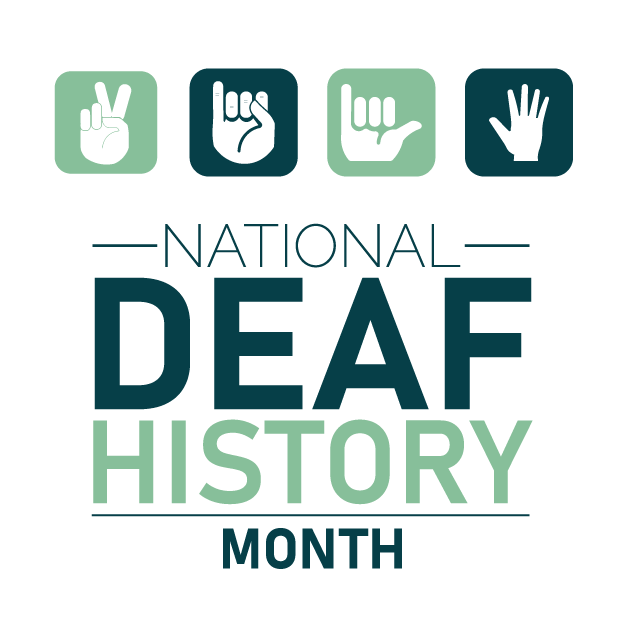 “Among other things, Deaf History Month promotes the contributions of individual deaf Americans to US society. How many of your students know that Thomas Edison, a famous American phonograph inventor, was hard of hearing? A famous American sculptor, John Louis Clarke, also known as “Cutapuis” or “The Man Who Talks Not,” received several important commissions for large-scale carved panels to embellish public buildings during the 1930s. Both Edison and Clarke lost their hearing after having scarlet fever.
 Women's History Month began as "Women's History Week" on March 7, 1982, and was later petitioned by the National Women's History Alliance (NWHA) to become a month-long celebration
  Ethics Awareness Month encourages individuals and organizations across society to reflect on their ethical/moral values, learn from ethical frameworks/moral guidances, and identify areas for improvement while promoting the benefits of ethical awareness for communities.
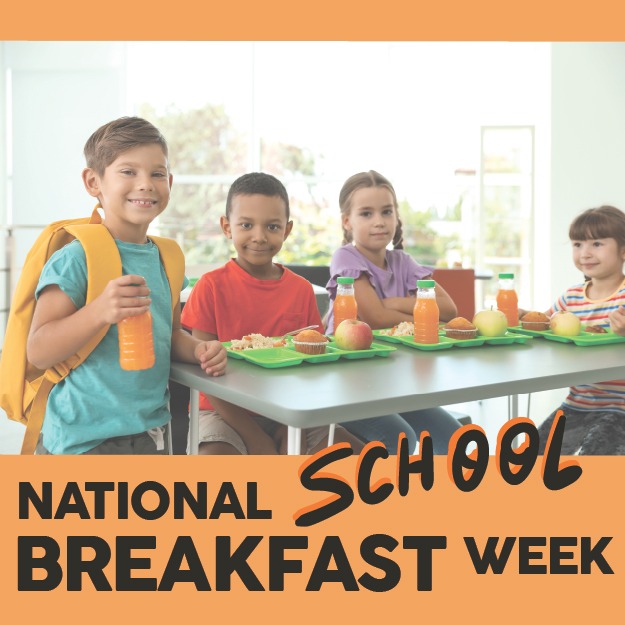 The Black Panther Party’s Free Breakfast for School Children Program began in 1969 in Oakland, feeding hungry kids nutritious meals and quickly expanding to dozens of cities across the United States, demonstrating the Panthers’ commitment to community survival programs beyond their original focus on policing issues.
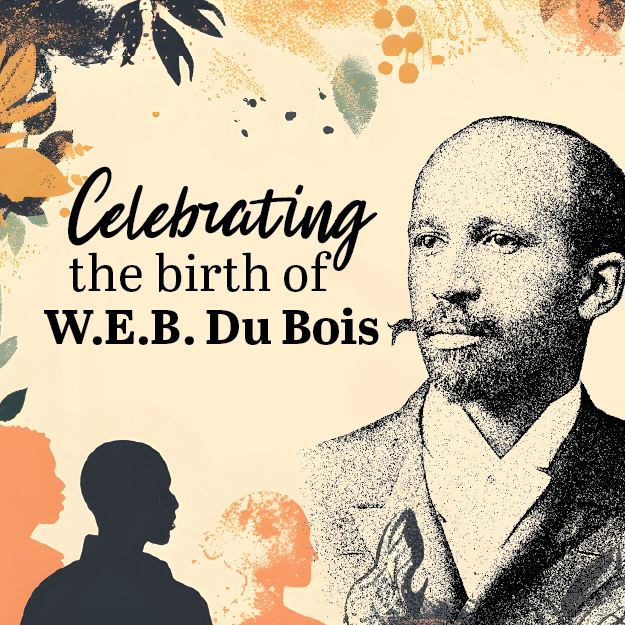 W.E.B. Du Bois, born in Great Barrington, Massachusetts, was one of the most influential scholars and activists of the 20th century. As the first African American to earn a Ph.D. from Harvard and later study at the University of Berlin, Du Bois championed education as the cornerstone of equality. His seminal work, The Souls of Black Folk (1903), introduced the concept of “double consciousness,” highlighting the struggles of African Americans as they navigated identity in a racially divided society. In 1909, Du Bois co-founded the NAACP, an organization that became instrumental in advancing civil rights through legal advocacy and public education. His commitment to intellectual empowerment and social justice helped lay the foundation for modern equity movements.
 Teen Dating Violence Awareness Month (TDVAM), observed every February, is a vital national campaign aimed at educating communities about the prevalence and impact of dating abuse among teens. With nearly 1 in 3 adolescents experiencing physical, emotional, or digital abuse in a dating relationship before adulthood
 Financial Aid Awareness Month, observed each February, highlights the critical role of financial aid in making higher education accessible to students from all backgrounds. With college costs continuing to rise, this month serves as a reminder that grants, scholarships, work-study programs, and loans can bridge the gap between aspiration and opportunity. For many families, especially those unfamiliar with the financial aid process, this awareness campaign helps demystify the Free Application for Federal Student Aid (FAFSA) and encourages proactive planning. The initiative empowers individuals to explore funding options, understand eligibility, and make informed decisions about their educational futures. While educators and financial aid professionals are key messengers, the broader public benefits from knowledge that financial aid is not just for low-income students; it's a tool for anyone seeking to invest in their future.
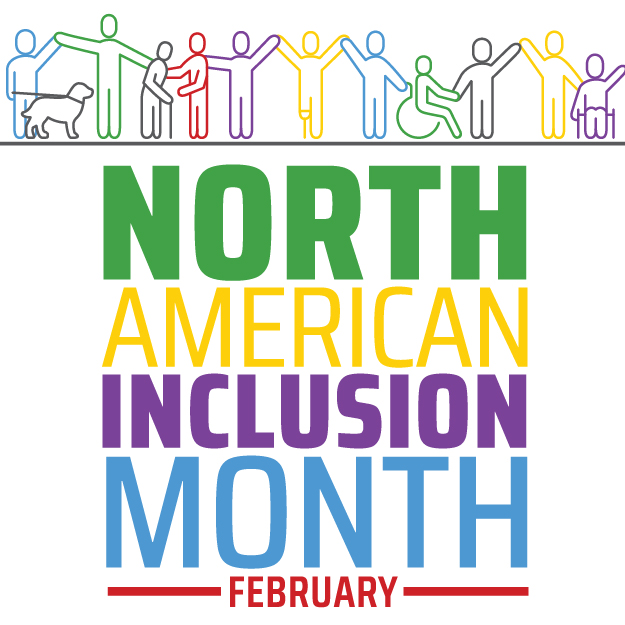 North American Inclusion Month is celebrated every February to raise awareness about creating equal opportunities for people with disabilities in all aspects, including employment and education. According to the UN, people with disabilities are individuals who have long-term physical, mental, intellectual, or sensory impairments which, in interaction with various attitudinal and environmental barriers, hinder their full and effective participation in society on an equal basis with others. Yachad, the National Jewish Council for Disabilities, established NAIM. During North American Inclusion Month, Yachad and other like-minded organizations publish resources and conduct awareness and community outreach programs focused on inclusion.
 National Braille Literacy Month, observed every January, commemorates the legacy of Louis Braille, who developed the tactile reading system nearly 200 years ago to empower individuals with visual impairments [
 National Mentoring Month, celebrated every January, is a nationwide campaign launched in 2002 by MENTOR and the Harvard School of Public Health to spotlight the transformative power of mentoring
 Poverty Awareness Month, observed annually in January, is a national initiative to raise awareness about the pervasive issue of poverty and its impact on individuals, families, and communities throughout the United States. With over 37 million Americans living in poverty as of 2024, roughly 11.5% of the population
 Kid Inventors' Day, celebrated annually on January 17, honors the creativity, curiosity, and ingenuity of young minds who have made significant contributions to society through their inventions. The date coincides with the birthday of Benjamin Franklin, who invented swim flippers at the age of 12, a fitting tribute to the idea that innovation knows no age
 Seasonal Affective Disorder (SAD) Awareness Month, observed each December, shines a light on a severe and often misunderstood form of depression that affects millions of people annually. Unlike the typical " winter blues," SAD is a clinical condition triggered by seasonal changes, most commonly during the fall and winter months when daylight hours are shorter. Symptoms include persistent sadness, fatigue, sleep disturbances, difficulty concentrating, and changes in appetite or weight. While anyone can be affected, women and individuals living in northern regions are at higher risk. The condition is believed to be linked to circadian rhythm disruptions and serotonin and melatonin imbalances due to reduced sunlight exposure. Raising awareness helps reduce stigma and encourages those affected to seek support through light therapy, counseling, medication, or lifestyle changes.
 Learn a Foreign Language Month, celebrated each December, is a powerful reminder of multilingualism’s cognitive, cultural, and economic benefits in an increasingly interconnected world. Learning a second language enhances memory, problem-solving skills, and even decision-making abilities while fostering empathy and cultural awareness. This month is an invitation for the general public to explore new perspectives and connect more deeply with the diverse communities around them. In places like Riverside County and the broader Inland Empire, where over 40% of residents speak a language other than English at home, embracing multilingualism is not just enriching, it’s essential for building inclusive communities and meaningful relationships. Whether you’re a student, professional, or retiree, learning a new language opens doors to global understanding and personal growth.
 Universal Human Rights Month, observed every December, commemorates the adoption of the Universal Declaration of Human Rights by the United Nations in 1948. This month serves as a global reminder that everyone, regardless of race, gender, nationality, or background, is entitled to fundamental rights such as dignity, freedom, and equality. For the general public, it’s an opportunity to reflect on the importance of these rights in everyday life and to recognize the ongoing struggles many communities face in securing them. In diverse regions like Riverside County and the Inland Empire, where cultural, linguistic, and socioeconomic diversity is a defining strength, Human Rights Month encourages residents to celebrate that diversity while advocating for fairness and justice in their communities.
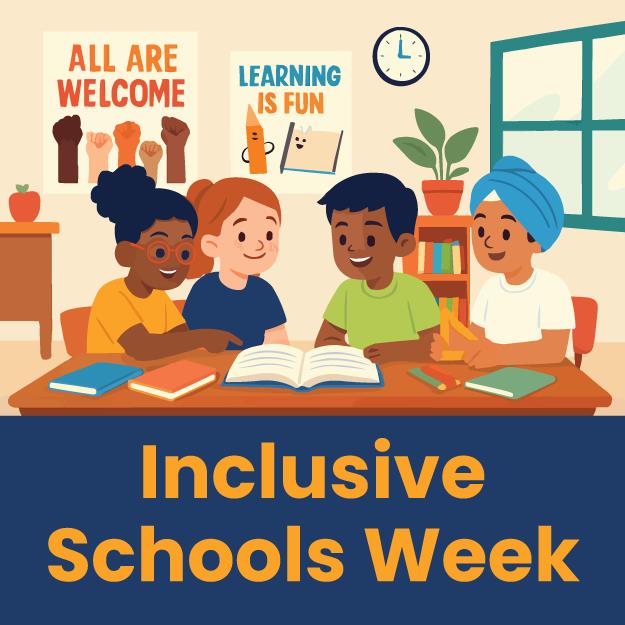 Inclusive Schools Week 2025, observed during the first full week of December, is a global celebration of schools' progress in creating welcoming, equitable, and supportive learning environments for all students. This year's theme, "Children First," draws inspiration from the Maasai greeting Casserian Engeri, which translates to "And how are the children?", a powerful reminder that children's well-being reflects the community's health. The week encourages schools, families, and communities to reflect on how inclusive their environments are, especially for students who may be marginalized due to disability, language, socioeconomic status, or cultural background. While rooted in education, the message resonates far beyond the classroom: Inclusion is a shared responsibility that strengthens society.
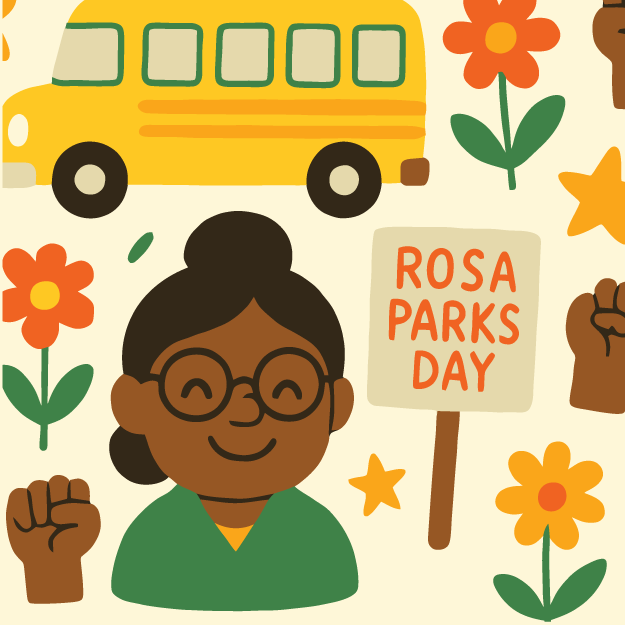 Her courageous act of civil disobedience, refusal to give up her seat on the bus,
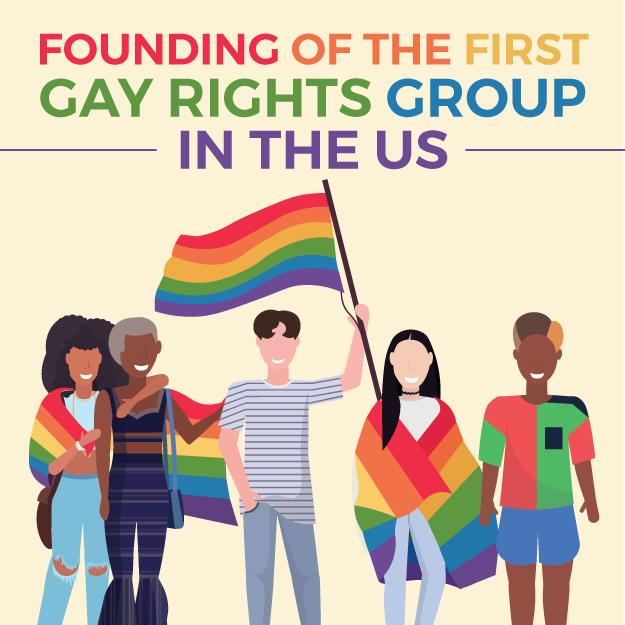 The Society for Human Rights was founded by Henry Gerber in 1924 and is recognized as the first gay rights organization in America. Inspired by Dr. Magnus Hirschfeld’s Scientific-Humanitarian Committee in Germany, which aimed to overturn anti-homosexual laws, Gerber established the Society for Human Rights in Chicago. It became the first American organization advocating for homosexual rights and laid the groundwork for the modern gay liberation movement. The group published “Friendship and Freedom,” the country’s first documented gay civil rights publication.
 National Homeless Youth Awareness Month, recognized every November, serves as a powerful reminder of the more than 2.5 million youth in the United States who experience homelessness each year. These young people often face the loss of shelter and the erosion of safety, stability, and access to education. Many are victims of trauma, navigating life without consistent adult support, and are at increased risk for mental health challenges, substance abuse, and exploitation. The month is a call to action for communities, educators, policymakers, and the general public to acknowledge the systemic issues that lead to youth homelessness and to work collaboratively toward solutions.
 National Career Development Month, observed every November, is a nationwide initiative encouraging individuals of all ages to reflect on their career goals, explore new opportunities, and build the skills necessary for long-term success. Established by the National Career Development Association (NCDA), this month is not just for students or job seekers; it's a time for everyone, from seasoned professionals to those just entering the workforce, to engage in meaningful self-assessment and planning. With the modern job market evolving rapidly due to technology, globalization, and shifting economic demands, career development has become a lifelong process, not a one-time decision.
 National Adoption Month, observed each November, is a powerful reminder of the thousands of children and youth in foster care who are waiting for permanent, loving families. With over 120,000 children in the U.S. foster system legally eligible for adoption, this month highlights both the challenges and the triumphs of adoption, particularly from foster care. It’s a time to celebrate families who have grown through adoption, honor the resilience of adopted youth, and raise awareness about the ongoing need for adoptive homes. It’s also an opportunity for the general public to understand the adoption process better, support adoptive families, and advocate for systemic improvements that ensure every child can thrive in a stable, nurturing environment.
 Alzheimer's Awareness Month observed each November, is more than a campaign; it's a collective call to action. First designated by President Ronald Reagan in 1983, this month shines a light on the millions of individuals and families affected by Alzheimer's disease, the most common form of dementia. With over 6 million Americans currently living with Alzheimer's and numbers expected to rise dramatically, the need for awareness, early detection, and compassionate care has never been more urgent. This month encourages the public to learn the signs of cognitive decline, support caregivers, and advocate for continued research and funding. It also helps reduce the stigma surrounding memory loss and dementia, fostering a more inclusive and understanding society.
 Unlike many awareness weeks or months focusing on a single issue, American Education Week broadly celebrates the entire educational ecosystem: students, teachers, families, and communities. It's a time to reflect on the foundational role education plays in shaping not only individual futures but also the health and progress of society. Initially launched in 1921 to address low literacy rates following World War I, the week now serves as a national recommitment to equitable, high-quality public education for all. It's not just about honoring schools; it is about recognizing education as a shared responsibility and a public good that benefits everyone, whether you're a parent, employer, neighbor, or student.
 World Kindness Day, celebrated annually on November 13, is more than a feel-good observance; it’s a global movement rooted in the belief that small, intentional acts of kindness can transform communities and improve lives. Established in 1998 by the World Kindness Movement, the day encourages individuals, schools, and organizations to promote compassion, empathy, and unity across all walks of life. Kindness offers a powerful antidote in a world often marked by division and stress. Research shows that kind actions uplift others and improve the giver’s mental health by reducing stress and increasing feelings of happiness and connection. Whether holding a door open, writing a thank-you note, or simply listening without judgment, kindness fosters a sense of belonging that’s essential for individual and community well-being.
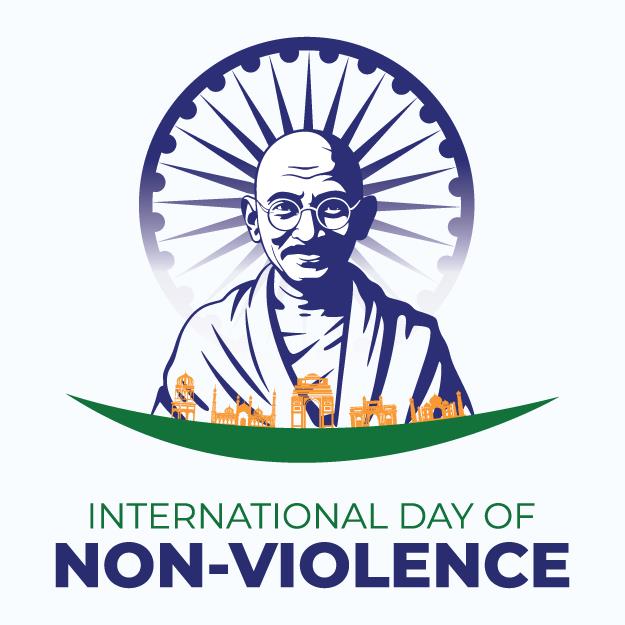 The International Day of Nonviolence, observed on October 2, marks the birthday of Mohandas Karamchand Gandhi, world-renowned leader of India’s nonviolent independence movement and global symbol of peaceful resistance. Designated by the United Nations, this day honors Gandhi’s belief in truth, dignity, and nonviolent protest as a force for social and political change.
 National Financial Planning Month, observed every October, serves as a vital reminder of the importance of financial literacy and proactive money management for individuals and families across the United States. While April is officially recognized as National Financial Literacy Month, October’s focus on financial planning complements this by encouraging people to assess their financial goals, create or revise budgets, and make informed decisions about saving, investing, and debt management. For educators, this month is a powerful opportunity to integrate real-world financial skills into the classroom, helping students understand the long-term impact of their financial choices. According to the National Financial Educators Council, financial education reduces stress, improves decision-making, and fosters economic stability.
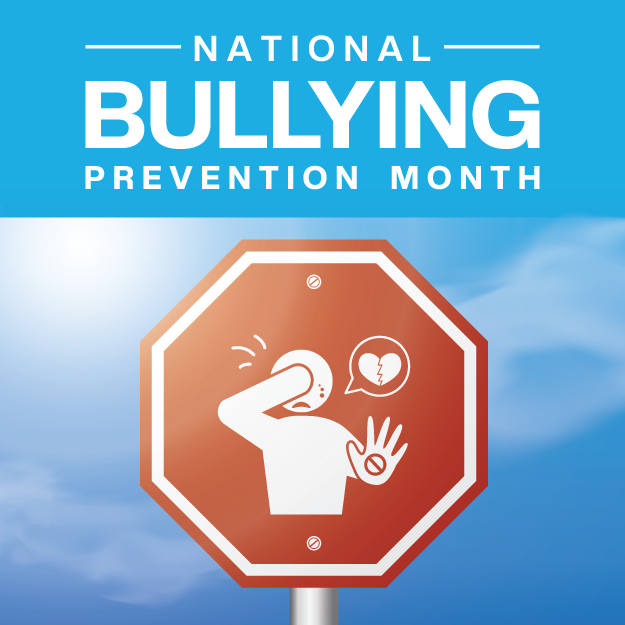 National Bullying Prevention Month, observed every October since 2006, is a nationwide campaign that raises awareness about the profound and lasting impact of bullying on children, families, and communities. Spearheaded by organizations like PACER's National Bullying Prevention Center, the month promotes kindness, acceptance, and inclusion as powerful tools to combat bullying in all its forms, verbal, physical, social, or digital. According to the National Child Traumatic Stress Network, bullying can lead to serious mental health consequences, including anxiety, depression, school avoidance, and even suicidal ideation. These effects are not limited to the classroom; they ripple into homes, communities, and the broader social fabric.
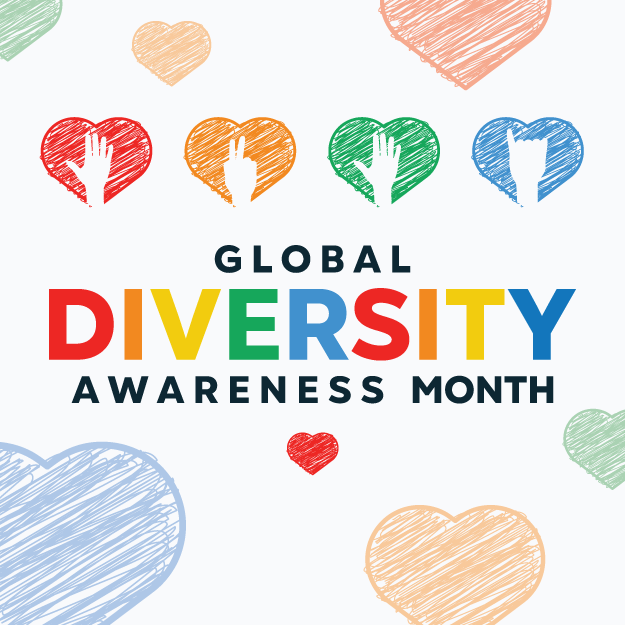 Global Diversity Awareness Month, celebrated every October, invites individuals, schools, and communities to reflect on the richness of human cultures, identities, and experiences worldwide. This observance honors our unique backgrounds, like cultural traditions, languages, worldviews, and lived experiences. It encourages respectful dialogue, mutual understanding, and inclusivity.
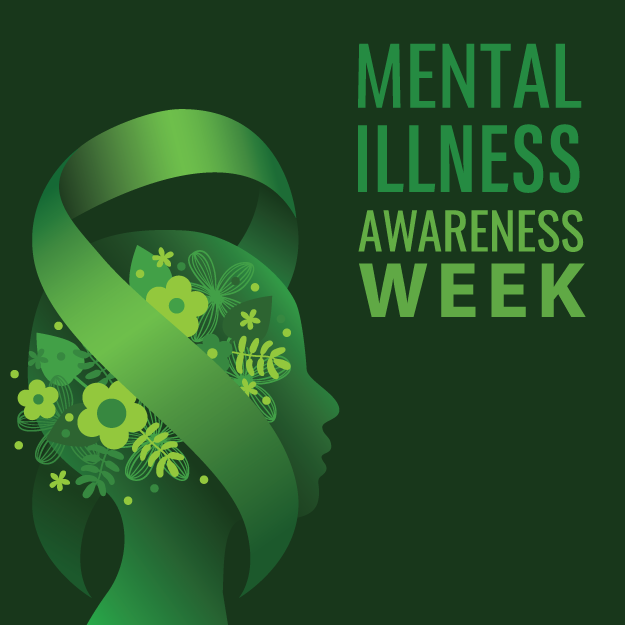 Mental Illness Awareness Week, observed annually during the first full week of October, is a national campaign focused on education, support, and reducing stigmatization of mental health conditions. Led by the National Alliance on Mental Illness (NAMI), this week shines a spotlight on the millions of people living with mental health disorders and emphasizes the importance of accessible care and open conversations.
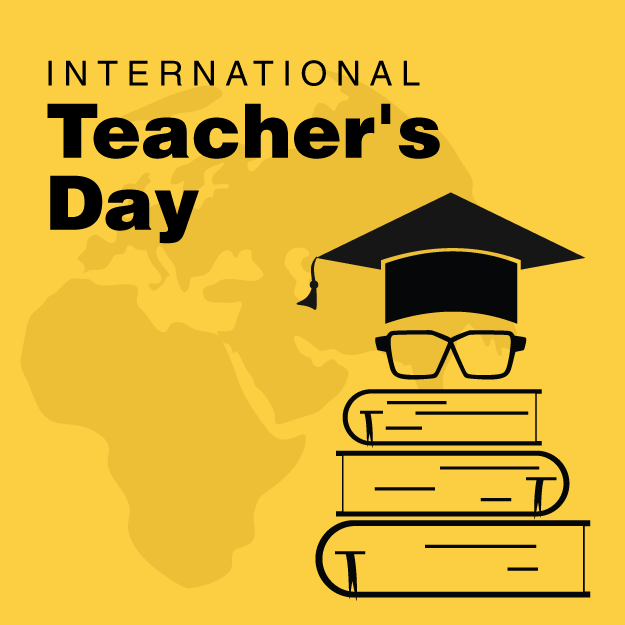 International Teachers’ Day, celebrated on October 5, honors the educators who serve as mentors, leaders, and role models in schools and communities around the world. This day is an opportunity to express gratitude for the essential work teachers do every day to create engaging, equitable, and supportive learning environments.
 National Historically Black Colleges and Universities (HBCU) Week, the second week in September, raises awareness of the impact HBCUs have had in advancing educational access and equity for African American students and other underrepresented groups. These institutions have historically served as pathways to leadership, innovation, and cultural preservation.
 Hispanic Heritage Month, observed from September 15 through October 15, honors the histories, cultures, and contributions of Hispanic and Latinx Americans. This celebration begins on the anniversary of independence for several Latin American countries and continues through the middle of October to encompass the rich diversity and impact of the Hispanic community in the United States.
 National Nutrition Week is observed during the first week of September and focuses on promoting healthy eating habits as the foundation for physical and cognitive well-being. Good nutrition is essential for learning, mental health, and emotional regulation—especially in children and youth.
 National Arts in Education Week is celebrated during the second week of September and shines a spotlight on the importance of the arts in developing creative, confident, and culturally aware students. Whether it’s painting, dancing, acting, or composing, artistic expression plays a critical role in student development.
 International Literacy Day, held on September 8, underscores the importance of literacy as a fundamental human right. Around the world and within our own communities, millions of children and adults still struggle with basic reading and writing skills, which limit their ability to learn, work, and fully participate in society.
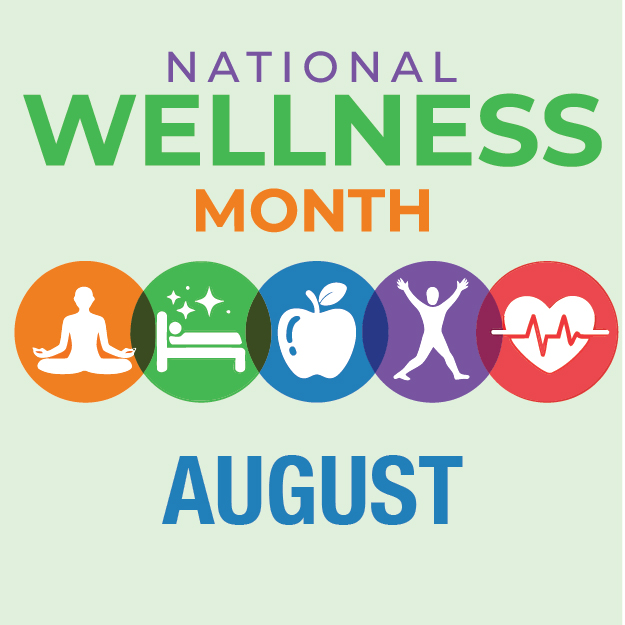 National Wellness Month, observed every August, is more than a health campaign; it’s a meaningful reminder that wellness is a lifelong journey, not a one-time goal. In a culture that often glorifies being busy, this month encourages us to slow down and reflect on how we care for ourselves and each other. Wellness isn’t just about physical health; it includes emotional balance, mental clarity, social connection, and financial stability. Whether walking during lunch, setting boundaries around work, or simply checking in with a friend, small self-care acts can significantly change how we feel and function.
 National Civility Month, celebrated each August, was established in 2014 by the International Institute for Civil Leadership to promote kindness, respect, and thoughtful communication in everyday life. Rooted in the Latin word civitas, meaning “the art and science of citizenship,” civility has long been associated with the values of empathy, honor, and social responsibility. This month serves as a reminder that civility is not just about politeness; it’s about how we engage with others, especially those different from us. It challenges us to listen actively, speak thoughtfully, and act compassionately in our homes, workplaces, and communities.
 National Immunization Awareness Month (NIAM), observed every August, is a nationwide effort to highlight the importance of routine vaccinations for people of all ages. Established to promote public health and prevent the spread of vaccine-preventable diseases, NIAM is a reminder that immunizations are one of the most effective tools to protect ourselves and our communities. For school communities, NIAM is a call to action. Schools are central hubs for learning and social development, and environments where contagious diseases can spread quickly if proper precautions aren’t taken. Promoting immunization helps protect not only individual students but also those who are medically vulnerable or unable to be vaccinated. Community members can also participate in local health fairs, donate to organizations providing vaccines globally, or start conversations that help dispel myths and promote science-based understanding. Every action, big or small, contributes to a healthier, more informed society.
 National Simplify Your Life Week, observed during the first full week of August, offers a gentle but powerful reminder: we don't have to carry it all. In a world of packed schedules, constant notifications, and endless to-do lists, this week encourages individuals to slow down, and declutter, both mentally and physically, in order to make space for what truly matters. Simplifying can mean cleaning out a closet, turning off tech for an hour, letting go of unrealistic expectations, or setting boundaries that protect our time and energy.
 National Nonprofit Day, observed annually on August 17, honors nonprofit organizations' vital role in strengthening communities, addressing social challenges, and filling critical service gaps. From food banks and youth programs to health clinics and educational initiatives, nonprofits are often the backbone of support systems that serve millions of Americans. This day commemorates the signing of the Tariff Act of 1894, which granted tax-exempt status to charitable organizations, a foundational moment that allowed nonprofits to grow and thrive. For the general public, it's a chance to recognize the impact of these organizations and the people behind them, many of whom work tirelessly to uplift others with limited resources. Many nonprofits are on the front lines of financial education, offering workshops, counseling, and resources to help individuals, especially those in underserved communities, gain the knowledge and tools to make informed financial decisions. To honor this day, individuals can donate to a local nonprofit, volunteer their time, or attend a financial literacy workshop. Small actions, like sharing resources or supporting youth-focused nonprofits, can contribute to a more financially empowered and equitable society.
 National Grief Awareness Day, observed annually on August 30, is a vital reminder that grief is a universal, deeply personal experience that deserves recognition, compassion, and support. Established to normalize conversations around loss, this day encourages individuals and communities to acknowledge the many forms grief can take, whether from the death of a loved one, the end of a relationship, or significant life transitions. In a society that often expects grief to be brief or hidden, this observance challenges those norms by validating the emotional complexity of mourning and promoting empathy for those navigating it. For educators, parents, and community leaders, understanding grief is essential to support students and families and foster emotionally safe environments where healing can begin.